Replacing Old Shut-Off Valves During a Remodel
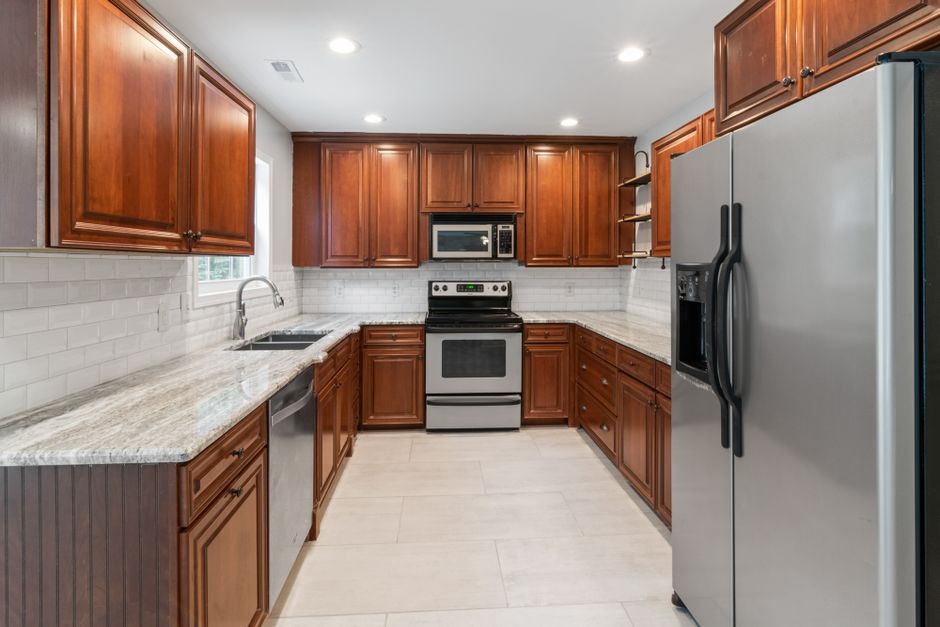
Under the vanity in most Riverside, CA houses, the little shut-off valves have not been turned in decades. The remodel notes at bath remodel riverside inside michigan politics (kept for bath work across the Inland Empire) treat those valves as the first thing to replace, since a bath remodel is the one time the pipe is open and the water is already off.
Why old valves fail
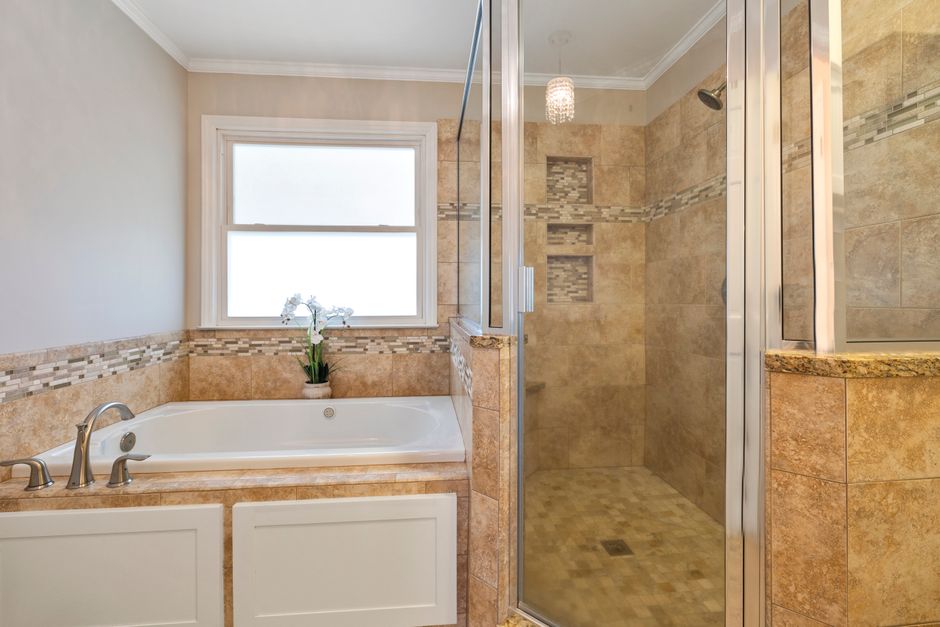
The Inland Empire has hard water, and it leaves scale on every moving part. A shut-off valve that has sat open for twenty years has mineral crust on the stem and the packing. Turning it can crack the packing and start a drip, or the handle snaps off in the hand. A valve that will not close is no valve at all, and the next plumber who needs to isolate a faucet will be shutting off the whole house.
What gets replaced in a full remodel
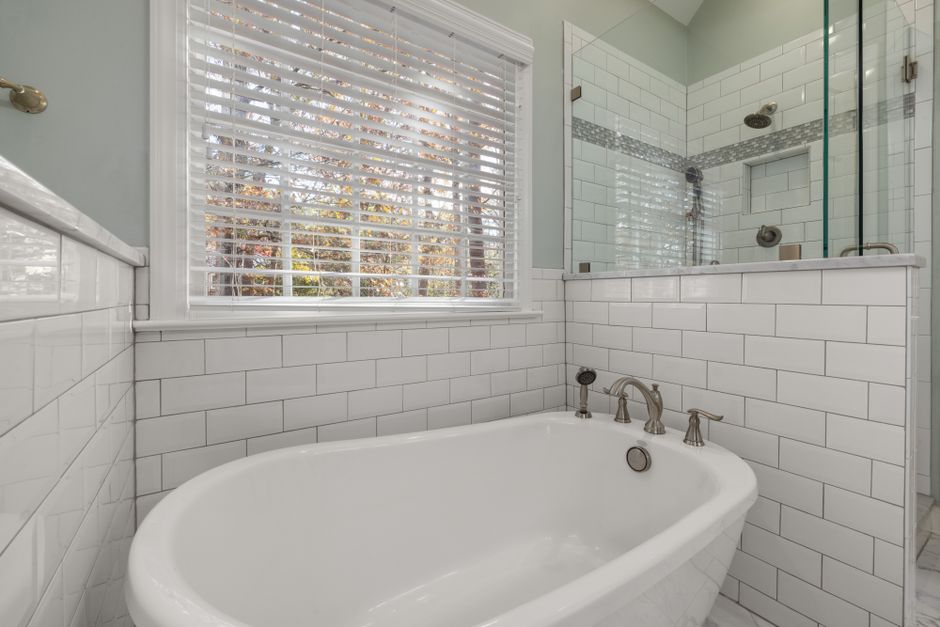
With the vanity out, every angle stop, supply line and compression nut is in plain sight. The crew replaces the stops with quarter turn ball valves and swaps the braided supply lines at the same time. The toilet supply gets its own new valve. At the tub or shower, the main shower valve and the cartridge are checked, and an old brass body with a worn cartridge is usually replaced with the new tile in mind.
Leak signs around an old valve
A green crust at the stem, a stained cabinet floor or a swollen vanity bottom all point to a slow leak at the valve. The crew checks the floor beneath for soft spots and the nearby framing for mold before the new stop goes on. A drip that has run for years usually leaves a damp patch in the subfloor, and that gets repaired first.
Pressure testing before the wall closes
New work gets tested before any backer board goes up. The crew caps the lines, pressurizes them and watches the gauge for a drop. Each valve is opened and closed several times, and a dry paper towel is run around every joint. A pinhole weep from one fitting will show on paper long before it shows on a ceiling. If the gauge holds, the wall is cleared for inspection.
Access and labeling
A good valve is only useful if somebody can reach it. Where a tub or shower valve sits behind a tiled wall, an access panel in the closet or the adjacent room keeps future work out of the tile. The main supply valve for the bathroom gets tagged, so the next owner finds it without tearing a vanity apart. Valve work happens after demolition and before the drywall or cement board, and it adds an hour or two of labour that saves opening a finished wall later.